The free version is not a demo
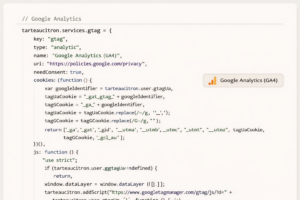
tarteaucitron.js is open source under the MIT licence. It is not a deliberately crippled version designed to push users toward Pro: it can be installed, services can be declared and consent can be managed without buying a licence.
For a developer comfortable with manual integration, this can work perfectly well. The differences with Pro include automatic mode, the dashboard and easier management.
But self-hosting means maintaining
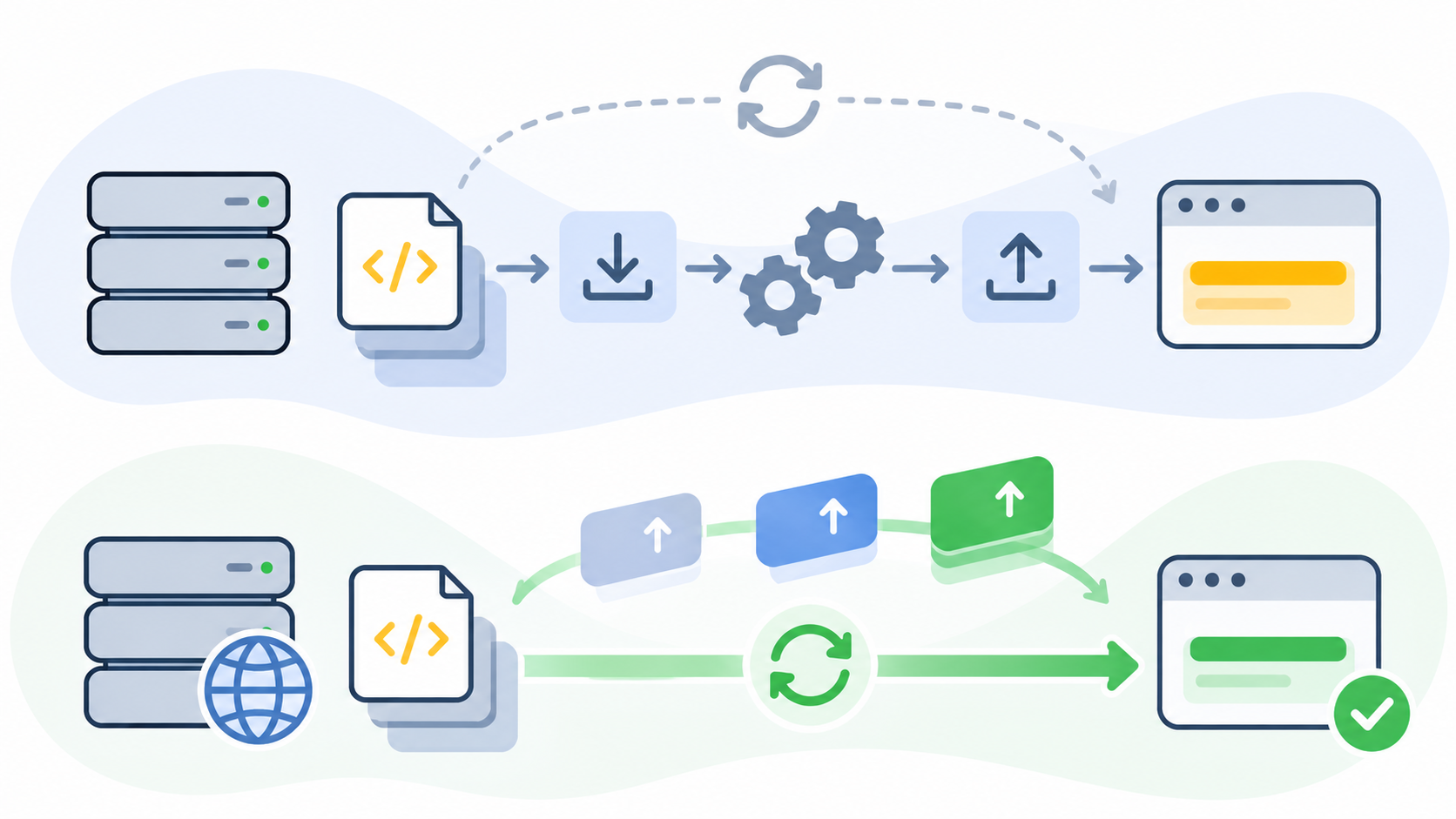
There is a less visible point that I consider important: when a library is self-hosted, updating it becomes the responsibility of the person who installed it.
Installing a version once and never touching it again works until an important fix is released. A CMP is an active website component and should be maintained like any other.
Open source gives you the freedom to self-host. That freedom also includes responsibility for updates.
Old versions never really disappear
I can see this in distribution statistics: tarteaucitron versions that are several years old are still being downloaded.
I often suspect themes, templates or agency projects that bundle a specific version and continue deploying it long after release. The website works, nobody checks the version, and it stays there.
This sometimes makes me think about the paradox of self-hosting: keeping control is a good thing, but only if that control is actually exercised.
Pro solves part of this problem
With tarteaucitron Pro, the script is distributed through the service CDN. When an update is deployed, Pro websites receive it automatically and quickly.
This is particularly useful for security fixes. There is no need to find every website, replace a library, clear different caches and then verify which version is actually being served.
For an agency or organisation managing many websites, this can quickly become more important than the time saved during the initial installation.
Pro also brings automation
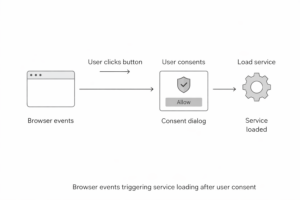
Maintenance is obviously not the only difference. In manual open-source mode, services must be integrated correctly and their direct loading code removed from the website.
Pro automatic mode can detect supported services present on the page and control them when the marker is correctly positioned. This is particularly useful for avoiding some of the mistakes described in my article about checking whether trackers are really blocked.
There is no universally wrong answer
I remain committed to the open-source version and want it to stay genuinely usable. For someone who wants to control the integration and keep up with updates, it has a clear place.
Pro addresses a different need: reducing manual maintenance, automating more of the integration and receiving updates directly.
The real question is therefore not only “free or paid?”. It is: who will install, check and maintain this CMP two or three years from now?